

From a Tech Conference to a Traditional Wedding
Our CEO Ajit Gupta , recently attended a conference in the USA with #PingIdentity, where the latest advancements in biometric authentication, security, and identity verification were discussed. The event focused on facial recognition, AI-powered fraud detection, and next-gen identity solutions.
Immediately after, he travelled to India for a wedding—a stark contrast to the world of tech. But, to his surprise, he saw something that connected both worlds in the most unexpected way.
A Wedding, a Surprise, and an Ancient Biometric Check
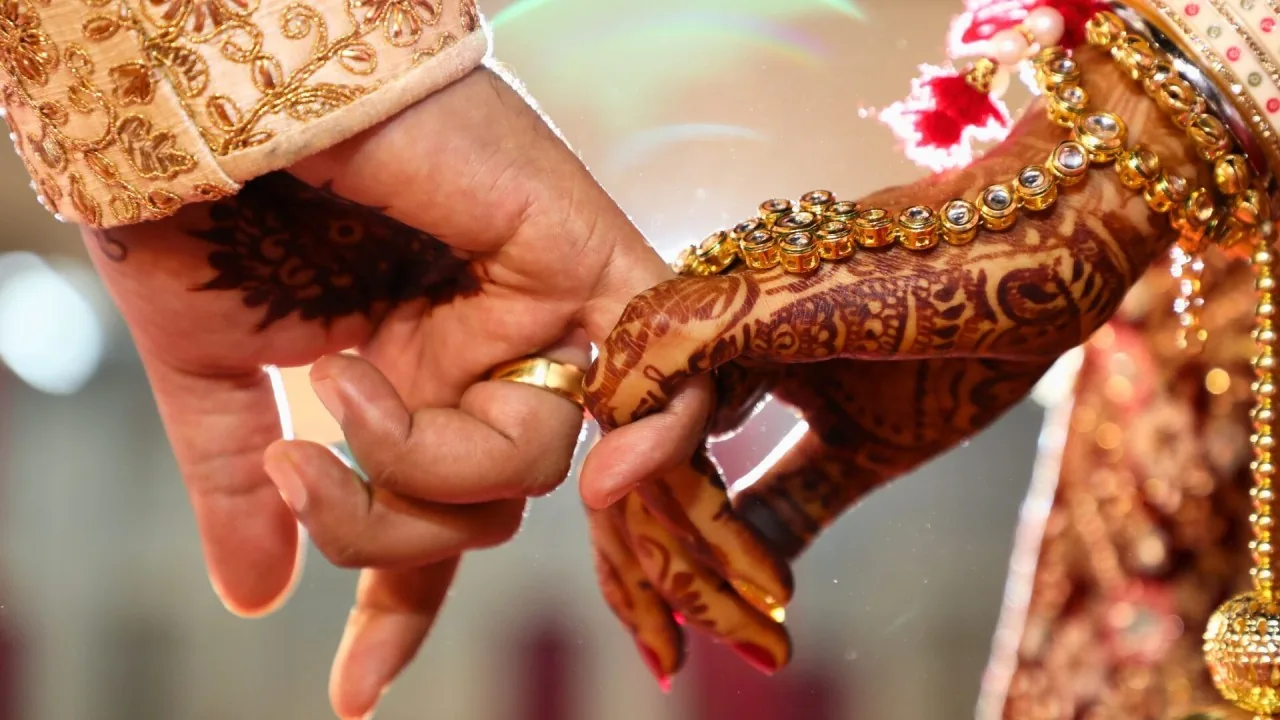
At the wedding, just before the ceremony, the mother of the bride carefully checked the groom’s height and physical appearance, cross-referencing it with the measurements taken during the engagement. Why?
To ensure that he was the same person they had agreed to marry their daughter—not an imposter!
At first, Ajit found it amusing. But then, having just come from a conference on modern biometrics, he realized something fascinating—this was biometric verification in its most traditional form!
Biometric Verification: Older Than We Think
We often think of biometrics as a modern innovation, driven by advanced security needs. But the core idea—verifying identity based on unique physical traits—has existed for centuries.
Historical Forms of Biometric Verification
Ancient China (200 BCE): Officials used fingerprints on clay seals for authentication.
Mughal Empire (1500s): Rulers like Sher Shah Suri used thumbprints for official records.
Egypt & Babylon: Unique scars, tattoos, or palm vein patterns helped distinguish individuals.
Tribal Societies: Recognition based on facial markings, scars, gait (walking style), and voice was common.
Even the Indian wedding tradition I witnessed was a manual, informal biometric check—using memory and observation instead of algorithms. From Traditional Rituals to AI-Powered Security
While modern biometric systems are faster, scalable, and precise, the fundamental concept remains unchanged—confirming identity through something that is unique to a person.
In the past, height, scars, and physical features were manually checked by family members, whereas today, facial recognition, fingerprint scans, and iris detection are used to verify identity digitally. Historical thumbprints and hand seals have evolved into digital signatures and cryptographic authentication for security and fraud prevention. Even recognition based on gait (walking style) and voice in ancient cultures has been transformed into voice authentication in modern applications.
These traditional methods were often used for marriage, governance, and informal identity proof, while today, biometrics play a crucial role in global security, fraud prevention, and seamless authentication in digital transactions.
A Beautiful Tradition, Even If No Longer Necessary
Of course, in today’s world, the idea of verifying a groom’s identity at a wedding seems unnecessary. Passports, government records, and digital identity systems ensure that impersonation is not an issue.
But witnessing this traditional practice—even if it wasn’t truly required—was a great reminder of how identity verification has evolved over time.
While modern biometrics eliminate human error and provide unmatched security, the principle behind them has existed for centuries—long before technology gave it a name.
A Fun Takeaway
After leaving a high-tech identity security conference and then experiencing a centuries-old manual identity check, Ajit realized something:
Whether it’s AI-driven facial recognition or a mother-in-law ensuring the groom isn’t an imposter, biometric verification has always been an essential part of human society.
It’s just gotten a lot more advanced!